Understanding Futa AI: A Comprehensive Overview
The advent of artificial intelligence has ushered in many transformative technologies, with Futa AI emerging as a unique intersection of digital art, culture, and technology. This innovative form of AI focuses on generating content and characters that embody characteristics associated with the futanari genre, blending the boundaries of gender and fantasy in compelling ways. Today, Futa AI is not only enhancing the landscape of digital storytelling but also reshaping how audiences engage with erotic art and narratives. When exploring options, futa ai offers comprehensive insights into this fascinating realm.
What is Futa AI?
Futa AI refers to artificial intelligence systems designed to create, animate, or interact with characters embodying the futanari archetype—typically depicted as individuals possessing both male and female sexual characteristics. This genre, which has roots in Japanese anime and manga, has expanded into various forms of digital art, including 3D animations, illustrations, and interactive storytelling. Futa AI leverages advanced machine learning algorithms to generate hyper-realistic visuals and engaging narratives, allowing creators to explore themes of identity, sexuality, and fantasy.
The Technology Behind Futa AI
The technological underpinnings of Futa AI are rooted in deep learning and neural networks. These systems are trained on extensive datasets that include images, animations, and text associated with futanari themes. Generative adversarial networks (GANs) are particularly influential, as they consist of two neural networks—the generator and the discriminator—working in tandem to create increasingly realistic outputs. Over time, this technology has become more sophisticated, enabling artists to customize and manipulate characters with remarkable precision.
Key Features and Capabilities
One of the most exciting features of Futa AI is its ability to create diverse character designs that reflect a wide range of aesthetics and personalities. These AI-generated characters can be manipulated in various scenarios, offering endless possibilities for storytelling and artistic expression. Additionally, Futa AI often includes capabilities for:
- Interactive role-playing experiences where users can engage with AI characters in real-time.
- Customizable narrative paths that adapt based on user choices, enhancing personalization.
- Integration with gaming platforms, allowing for immersive gameplay experiences.
Creative Applications of Futa AI in Digital Art
Designing Unique Characters Using AI
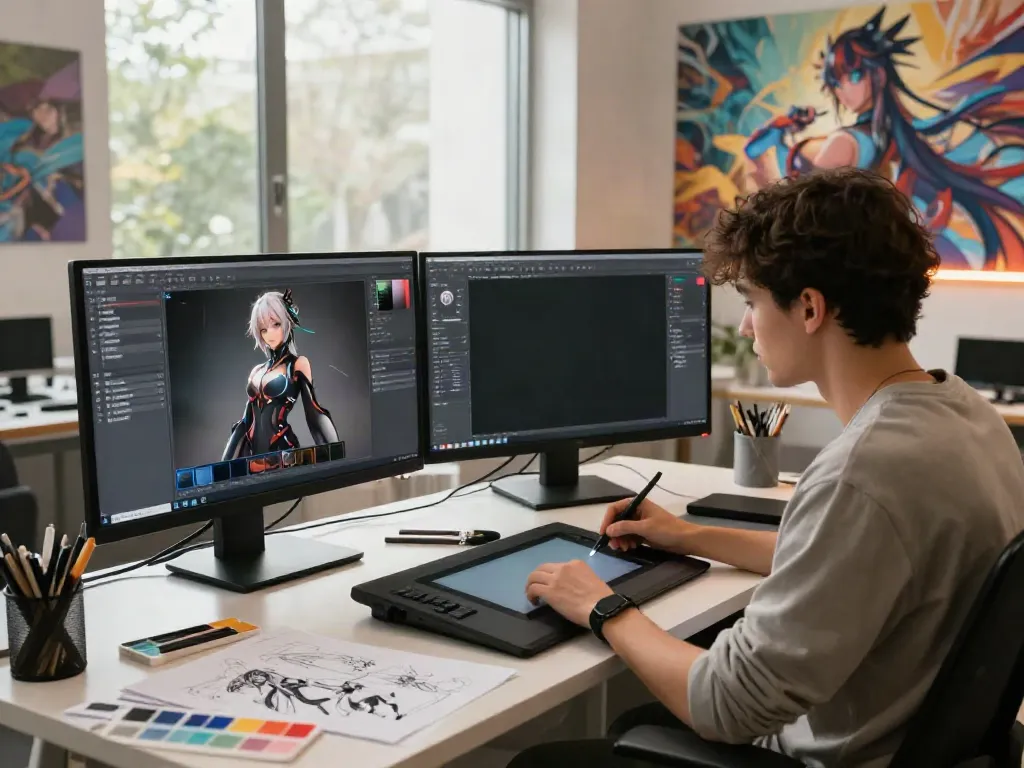
Creating unique characters has never been easier with the advent of Futa AI. Artists can input specific attributes or traits they want their characters to embody, and the AI generates a character that fits those specifications. This process not only saves time but also sparks creativity as artists can experiment with various designs instantly. The flexibility of these AI tools allows for a rich exploration of styles—from hyper-realistic depictions to more stylized, artistic renditions.
Futa AI in Animation and Gaming
Futa AI is also making waves in the animation and gaming industries. In animation, AI can generate fluid movements and lifelike expressions, bringing characters to life in ways that resonate with audiences. For gaming, Futa AI allows developers to create expansive worlds populated with distinctive characters that players can interact with, enhancing immersion. This technology is paving the way for innovative gaming experiences that challenge traditional gameplay mechanics.
Real-World Examples of Futa AI Artistry
Many artists and developers have begun to embrace Futa AI for their projects. For instance, independent game developers have utilized AI to create character dialogue and storyline paths that evolve based on player decisions. Additionally, digital artists showcase their creations on platforms dedicated to futanari themes, gaining recognition for their unique interpretations and styles. One notable project includes a collaborative fan game that allows users to create their own futanari characters and share them with others, fostering a vibrant community.
Challenges and Considerations in Futa AI Usage
Ethical Implications of AI Art
While the benefits of Futa AI are extensive, ethical implications cannot be overlooked. Questions arise around the representation of gender and sexuality in AI-generated content and whether it perpetuates stereotypes or misrepresentations. Artists and developers must navigate these challenges thoughtfully, ensuring their work promotes inclusivity and understanding rather than reinforcing harmful narratives.
Common Misconceptions about Futa AI
There are several misconceptions surrounding Futa AI. One prevalent myth is that AI-generated content lacks authenticity compared to traditional art forms. However, many artists utilize AI as a tool that complements their creative process, allowing for greater exploration and innovation. Moreover, Futa AI does not replace human creativity; it amplifies it, enabling artists to push boundaries while retaining their unique voice.
Navigating Creative Limitations
Despite the advancements in Futa AI technology, there are still limitations to consider. AI can struggle with contextual understanding or subtleties of human emotion, which can impact the quality of generated narratives. Artists must remain vigilant in editing and refining AI outputs to maintain a cohesive and engaging story. Additionally, keeping abreast of technological updates is crucial, as the field is rapidly evolving.
Best Practices for Leveraging Futa AI
Tips for Artists Working with AI Technology
For artists looking to incorporate Futa AI into their workflow, several best practices can enhance their experience:
- Familiarize yourself with different AI tools and their capabilities to find the best fit for your artistic vision.
- Experiment with various prompts and inputs to understand how AI responds to different designs.
- Combine traditional techniques with AI-generated content to maintain a personal touch in your work.
Integrating Futa AI into Creative Workflows
Integrating Futa AI into your creative process involves understanding how AI can complement your style rather than overshadow it. Setting goals for what you want to achieve with AI, such as character design, story development, or animation, can streamline your workflow. Additionally, collaborating with other artists or AI developers can inspire new ideas and methods.
Measuring Success in AI Art Creations
Success in AI art can be subjective, but certain metrics can provide insights into your work's impact. Engage with your audience through social media or art communities to gather feedback and understand what resonates with viewers. Keeping track of your growth as an artist, including improved skills in both AI and traditional mediums, is also essential in recognizing your progress.
The Future of Futa AI and Emerging Trends for 2026
Predictions for Futa AI Developments
As we look toward 2026, the landscape of Futa AI is poised for rapid evolution. We can expect significant enhancements in AI capabilities, including more nuanced emotional responses and complex storytelling techniques. This will likely lead to an increase in AI-generated content being integrated into mainstream media, creating even broader opportunities for artists and creators.
Innovative Tools and Techniques on the Horizon
New tools are continuously emerging that enhance the capabilities of Futa AI. Upcoming trends may include augmented reality (AR) applications that allow users to interact with AI characters in real time or virtual reality (VR) experiences that immerse users in AI-generated worlds. These innovations will not only transform how audiences engage with content but also how artists create it.
How Futa AI Will Transform the Creative Industry
Futa AI is set to redefine several aspects of the creative industry by fostering collaboration between human and machine creativity. As AI tools become more advanced and accessible, they will empower artists to explore previously unimagined concepts and expand the boundaries of their work. This symbiosis between human intuition and AI precision will lead to a renaissance in digital art, allowing for richer narratives and more diverse representations in the future.
What are the most popular applications of Futa AI?
The most popular applications of Futa AI encompass character creation, interactive storytelling, and animated content. These applications serve not only entertainment purposes but also facilitate deeper explorations of identity and expression.
How can artists improve their Futa AI skills?
Artists can enhance their skills by engaging with the community, participating in workshops, and continually experimenting with new tools and methods. Staying informed about industry trends and advancements in AI technology can also provide fresh insights.
What ethical concerns surround Futa AI in the art world?
Ethical concerns primarily revolve around representation, consent, and the potential for misuse of AI-generated content. Artists must navigate these complexities carefully to promote responsible and respectful portrayals in their work.
What are the technical requirements for utilizing Futa AI?
Technical requirements can vary depending on the specific AI tools being used but often include a compatible computer with adequate processing power, graphics capabilities, and software for creating and editing AI-generated content.
Will Futa AI continue to grow in popularity?
Given the ongoing advancements in AI technology and the increasing interest in diverse forms of content, it is likely that Futa AI will continue to grow in popularity among both creators and audiences. This trend reflects a broader cultural acceptance and exploration of gender and sexuality through technology.